Imagine waking up each day with a dull ache that refuses to fade. You go about your routine, but that persistent discomfort looms over every moment. This is the reality for many women facing chronic pelvic pain. In Hong Kong, countless women navigate this complex condition, often feeling isolated and unsure of where to turn. Women’s Health Physiotherapy offers a beacon of hope, focusing on your unique needs and providing specialized care tailored to address your pelvic health concerns.
Chronic pelvic pain can disrupt your life, affecting everything from work to personal relationships. Women’s Health Physiotherapy is designed to help you regain control. This approach integrates women’s wellness therapy and maternal health physical therapy, targeting the root causes of your pain. Through personalized treatment plans, you can experience a significant improvement in your quality of life. In this section, we will explore how Women’s Health Physiotherapy plays a critical role in your journey toward recovery, emphasizing the importance of a patient-centered framework that prioritizes your well-being.
Key Takeaways
- Chronic pelvic pain affects daily life and well-being.
- Women’s Health Physiotherapy focuses on individualized care.
- Specialized techniques address unique pelvic health needs.
- Personalized treatment plans enhance quality of life.
- Women’s wellness therapy is integral to recovery.
- Access to resources is vital for support in Hong Kong.
What is Women’s Health Physiotherapy and How Does it Address Chronic Pelvic Pain Syndrome?
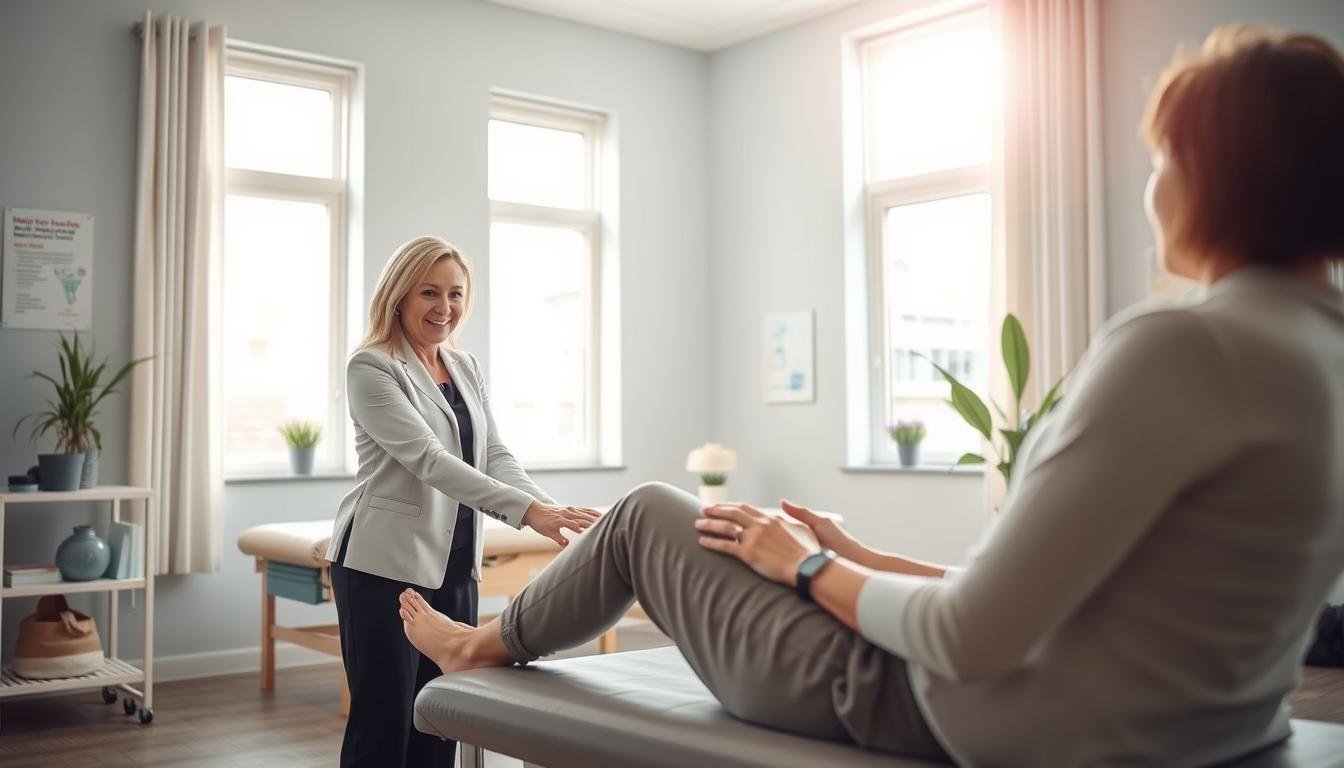
Women’s Health Physiotherapy is a specialized area of physiotherapy that focuses on the unique health needs of women. This discipline plays a crucial role in addressing chronic pelvic pain syndrome. By understanding the intricacies of women’s pelvic health, practitioners can provide targeted care to alleviate discomfort and improve quality of life.
This form of physiotherapy incorporates techniques from both obstetric physiotherapy and gynecological physiotherapy. It emphasizes the importance of specialized techniques tailored to women’s health. The goal is to assess and treat pelvic floor dysfunction, which is often a significant contributor to chronic pelvic pain.
Definition of Women’s Health Physiotherapy
Women’s Health Physiotherapy specifically targets conditions related to the pelvic region. This includes:
- Pelvic floor disorders
- Postpartum recovery
- Menstrual-related issues
The Importance of Specialized Techniques
Using specialized techniques is essential in Women’s Health Physiotherapy. These techniques include:
- Pelvic floor muscle training
- Manual therapy approaches
- Education on self-management strategies
How Women’s Health Physiotherapy Differs from General Physiotherapy
Women’s Health Physiotherapy differs from general physiotherapy in several ways:
- Focus on pelvic health
- Integration of obstetric and gynecological techniques
- Understanding of hormonal influences on pelvic pain
What Clinical Techniques are Used in Women’s Health Physiotherapy for Chronic Pelvic Pain?
Women’s health physiotherapy employs various clinical techniques to effectively manage chronic pelvic pain. Understanding these methods can empower you to take control of your health. Key techniques include pelvic floor therapy, manual therapy approaches, and education for self-management. Each plays a crucial role in addressing your specific needs.
Pelvic Floor Muscle Training
Pelvic floor muscle training is essential for reducing pain and improving function. This technique focuses on strengthening and relaxing the pelvic muscles. By engaging in targeted exercises, you can enhance muscle control and support pelvic organ function. Regular practice can lead to significant improvements in your symptoms.
Manual Therapy Approaches
Manual therapy techniques, such as myofascial release and trigger point therapy, are vital in addressing muscle stiffness and connective tissue restrictions. These approaches help relieve tension and improve blood flow, contributing to pain reduction. Here’s a closer look at these methods:
- Myofascial Release: This technique targets the fascia, releasing restrictions that may cause discomfort.
- Trigger Point Therapy: Focuses on specific muscle knots to alleviate pain and restore mobility.
Education and Self-Management Strategies
Education plays a key role in managing chronic pelvic pain. Understanding your condition allows you to make informed decisions about your care. Self-management strategies can include:
- Identifying triggers that worsen your symptoms.
- Implementing relaxation techniques to reduce stress.
- Engaging in regular physical activity to maintain pelvic health.
By integrating these clinical techniques, women’s health physiotherapy can significantly enhance your quality of life. Whether through pelvic floor therapy, prenatal physical therapy, or pregnancy musculoskeletal care, each approach aims to support your journey towards healing and wellness.
| Technique | Description | Benefits |
|---|---|---|
| Pelvic Floor Muscle Training | Exercises to strengthen and relax pelvic muscles. | Improved muscle control and reduced pain. |
| Myofascial Release | Manual technique targeting fascia restrictions. | Increased mobility and reduced tension. |
| Trigger Point Therapy | Focus on muscle knots for pain relief. | Enhanced comfort and functionality. |
How Can You Benefit from Women’s Health Physiotherapy for Chronic Pelvic Pain?
Women’s Health Physiotherapy offers a tailored approach to managing chronic pelvic pain. You can expect personalized treatment plans that consider your specific symptoms and lifestyle. This is especially beneficial if you are navigating postpartum rehabilitation. These customized strategies focus on alleviating pain while promoting overall women’s pelvic health.
Improved quality of life is a significant advantage of engaging in maternal health physical therapy. By addressing your unique needs, you can regain control over daily activities and reduce pain-related limitations. This therapy not only targets pain relief but also enhances your overall well-being, allowing you to participate more fully in life.
In Hong Kong, accessing resources and support for Women’s Health Physiotherapy is straightforward. Various clinics and professionals specialize in this field, providing the care you need. By seeking these specialized services, you can ensure that you have the right support for your healing journey. With the right resources, you can look forward to meaningful improvements in your quality of life.